How do I know if my septic tank needs pumping?
Slow drains, gurgling pipes, sewage smells, and soggy ground over the tank are common signs. If several show up together, request an estimate and ask a provider to check the tank.
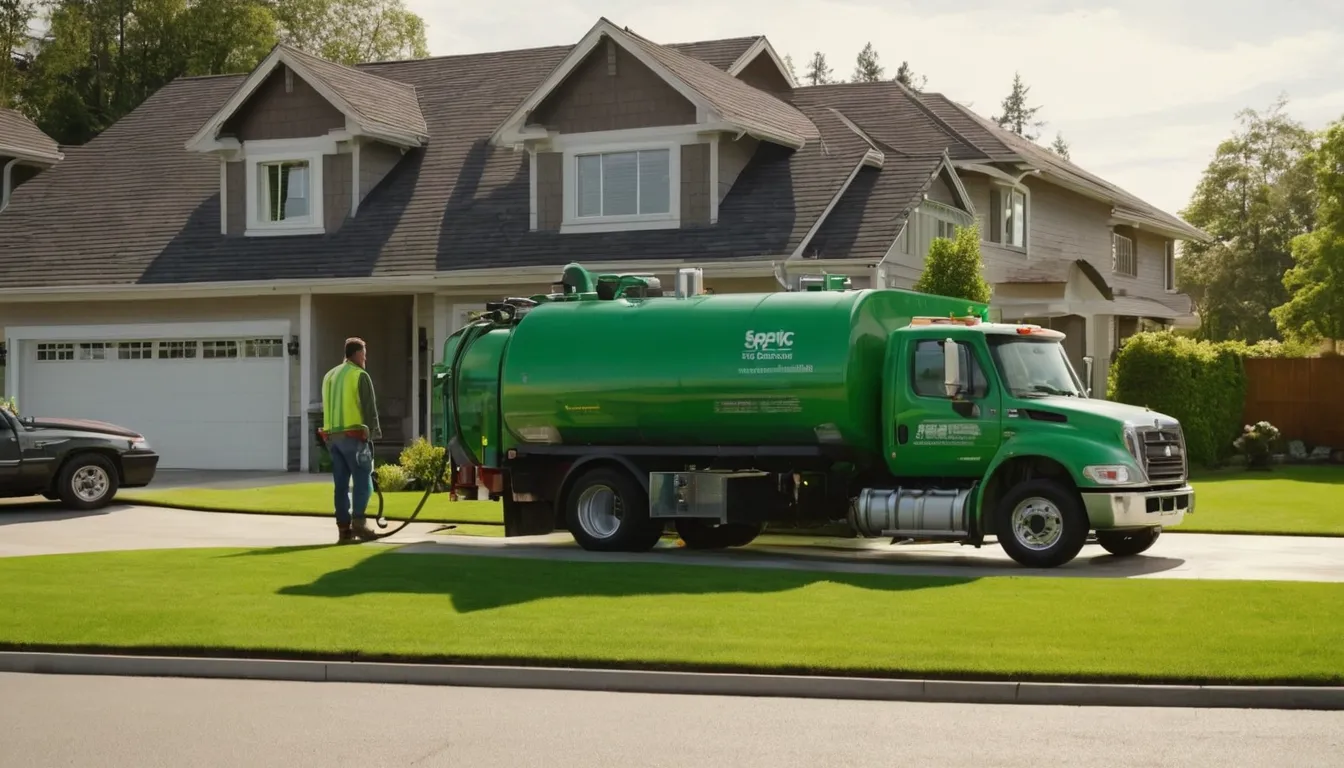
Request an estimate first
A septic tank collects waste from your home. Solids settle at the bottom and form sludge. Grease floats to the top. Over time, these layers fill the tank. Pumping removes them so the system can keep working.
Staffrelevant Septic is a referral service. We do not pump tanks. We connect homeowners in Scandia and the Scandia area with independent local providers in our network. Start with an estimate request. Request a callback to check provider availability. This page explains the signs, the steps, and the typical costs, so a first-time owner knows what to expect.
Check these signs first:
One sign may be a clog. Two or more point to a full tank. Backups and soggy ground are the most urgent. Act on those first.
Do these things in order:
1. Stop running water. Skip laundry, dishwasher, and long showers. 2. Keep kids and pets away from any wet spots. 3. Do not pour chemical cleaners down the drain. 4. Request an estimate, or call a provider to ask about emergency septic cleaning.
Many providers can respond quickly, but availability varies. Request a callback to check provider availability.
Sludge builds up slowly. Once it gets high enough, solids can flow out of the tank. They clog the drainfield pipes and soil. That is the costly part.
Drainfield repair can cost many times more than a pumping visit. Small problem, early is the cheaper path.
Many households pump every three to five years. Your number depends on:
If you do not know when the tank was last pumped, treat it as overdue. A provider can measure the sludge layer and tell you.
First, the provider finds the tank lid. Older frame houses and bungalows may have lids buried under lawn. Next, the lid is opened. Then a truck hose removes the liquid and sludge. The provider checks the tank walls and baffles for cracks or damage. Last, the lid is closed and the area is tidied.
Most visits are short. Ask the provider to note what they see.
A pumping visit is a good time for an inspection. An empty tank shows cracks, worn baffles, and signs of backflow. Some providers also check the outlet filter and the pump if you have one.
Ask for notes in writing. They help you track the system over time.
Lenders and buyers often ask for a recent pumping and inspection. Here is a simple order:
1. Find your last pumping record. 2. Request an estimate for pumping and an inspection. 3. Fix any small issues the report lists. 4. Keep the paperwork for the sale.
Buyers can use the same steps before closing.
Cold winters with deep frost can freeze soil and make lids hard to reach. Spring flooding can saturate a drainfield. Heavy storms can do the same. Homes with full basements and sump pumps should keep sump water out of the septic system. If you use a private well, ask about water well service too, and keep the well and tank checked on a regular schedule.
Use this checklist when you talk to a provider:
Send an estimate request. A provider in our network can follow up with details. If the situation is urgent, call a provider to check availability.
A provider removes liquid, scum, and sludge from the tank so the system has room to work again.
Providers often look at the tank walls, baffles, and lid while the tank is empty.
If sewage is backing up, ask a provider about urgent options and availability in your area.
Ask for written notes on tank condition, so you can track the system for future visits.
These are typical U.S. ranges. Prices vary by tank size, access, location, and condition. Use them as a starting point, and always get a written quote before work begins.
| Item | Typical range | Notes |
|---|---|---|
| Standard tank pumping | $300 – $650 | Common 1,000 to 1,500 gallon tank |
| Large tank pumping | $500 – $1,000 | Bigger tanks hold more waste |
| Digging to find the lid | $75 – $250 | Needed if the lid is buried |
| Riser and lid install | $300 – $900 | Makes future access easier |
| Inspection with pumping | $150 – $450 | Often a separate line item |
| Emergency septic cleaning | $500 – $1,200 | Rates vary by provider and timing |
Fill out the estimate form with your address area, what you notice, and the last time the tank was pumped.
We point you to an independent provider in our network.
Ask what the price includes, and get the quote in writing before you agree.
The provider arrives, pumps the tank, and shares what they see so you can plan next steps.
Send one request and get pointed to an independent local provider, instead of comparing a long list on your own.
Plain steps and clear questions help you understand what to expect when you have never done this before.
Start with an estimate request. Compare details in writing before you agree to any work.
Providers in our network know local soil, frost, and seasonal conditions.
Request an estimate and tell us what is going on. A local provider in our network can follow up. Prefer talking? Request a callback to check provider availability.
Slow drains, gurgling pipes, sewage smells, and soggy ground over the tank are common signs. If several show up together, request an estimate and ask a provider to check the tank.
Many homes pump every three to five years. Household size, tank size, and water use change that. A provider can measure the sludge layer and suggest a schedule that fits your home.
Typical U.S. prices run from about $300 to $650 for a standard tank. Access, tank size, and location change the total. Get a written quote first.
Request an estimate and tell us what is going on. A local provider in our network can follow up. Prefer talking? Request a callback to check provider availability.
No obligation